An honest UK guide

How to start a pet sitting business

Pet sitting, house sitting, cat care and home boarding: what each involves, which ones need a licence, and how to build a business that isn't just you on call around the clock.

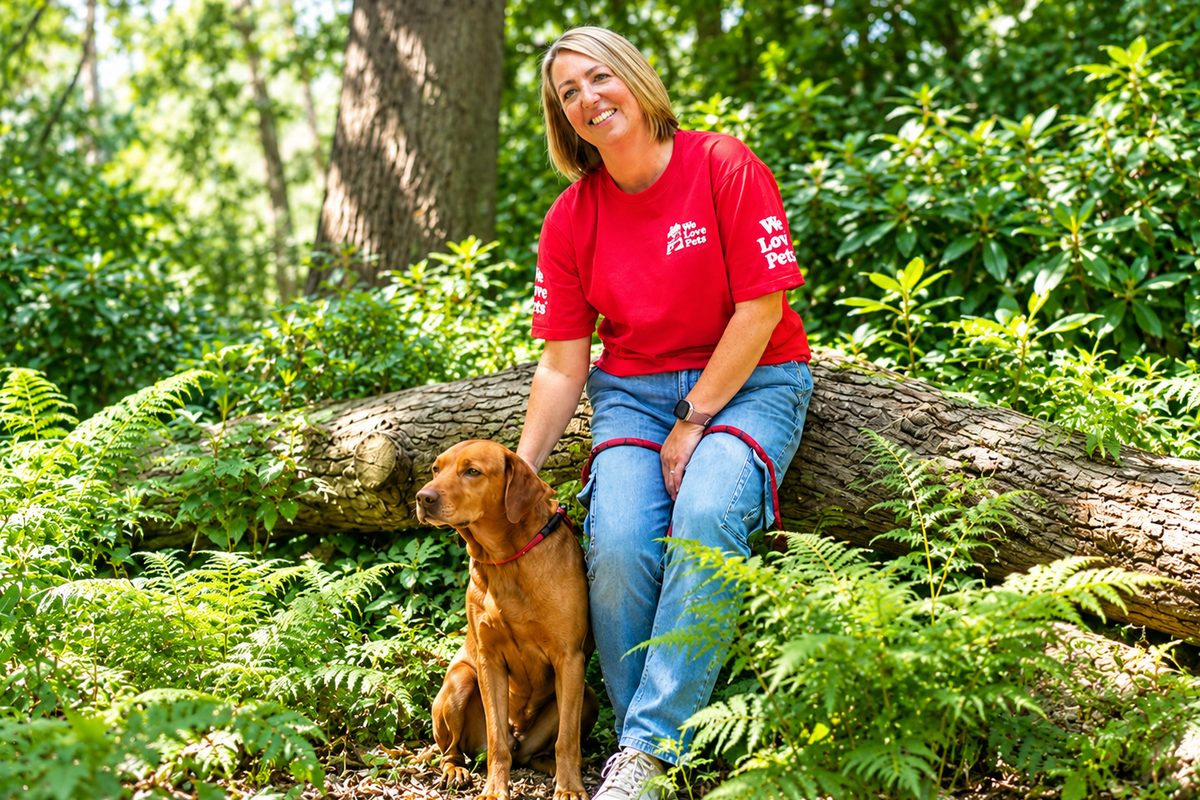
Gemma of We Love Pets Colchester sitting on a log in woodland with a fox red labrador

The short answer

A pet sitting business can be one of the most rewarding ways to work with animals, and demand peaks every holiday season as owners look for an alternative to kennels and catteries.

Visiting pets in their own homes, house sitting and cat care don't need a licence. Taking dogs into your home, for overnight boarding or daycare, does: in England you'll need an animal activity licence from your local council, with an inspection first.

Beyond the rules, the real challenges are trust (you'll hold people's keys and care for much-loved pets), being available when everyone else is on holiday, and finding enough clients to fill the quieter months. This guide covers all of it.

Pet sitting visits

Popping in to feed, play with and check on pets in their own home while the owner is out or away.

Licence: not needed

Cat care

Home visits for cats, who are usually far happier staying put than going to a cattery. Often a year-round service, not just holidays.

Licence: not needed for visits in the cat's home

House sitting

Staying in the owner's home while they're away, caring for the pets and keeping the house lived-in and secure. A premium service.

Licence: not needed

Home boarding for dogs

Dogs stay in your home as part of the family while their owners are away. Very popular with owners who don't want to use kennels.

Licence: needed in England, from your council

Dog daycare at home

Looking after dogs in your home during the working day. Usually covered by the same home boarding licence.

Licence: needed in England, from your council

Small animal care

Rabbits, guinea pigs, birds and more, cared for in their own home. A useful extra that many sitters overlook.

Licence: not needed for visits in the owner's home

Setting up a pet sitting business: the essentials

1. Decide which services you'll offer

Starting with visits and cat care is simplest, because no licence is needed. Home boarding can be very profitable, but it changes your home life and needs a licence, so plan it carefully.

2. Register your business

Register with HMRC as a sole trader or set up a limited company, open a business bank account and keep records from the start.

3. Get specialist insurance

Look for pet business insurance that covers public liability, care, custody and control of the animals in your care, and key cover. If you board dogs at home, check your home insurance too.

4. Build trust before your first booking

Owners are handing you their keys and their pets. A DBS check, pet first aid training and a proper meet-and-greet before every new booking go a long way.

5. Understand home boarding licences

In England, boarding dogs in your home as a business, overnight or for daycare, needs an animal activity licence from your local council under the 2018 animal licensing regulations. Before granting it, the council inspects your home and sets how many dogs you can take, and you'll get a star rating. Fees vary by council, and planning permission can sometimes be needed if you want to board several dogs at once. Rules differ in Scotland, Wales and Northern Ireland, so always check with your own council.

6. Plan for the busy seasons

School holidays, Easter, summer and Christmas book up first. That's great for income, but it's exactly when you'll want a break yourself, so think early about cover and capacity.

“We've welcomed so many wonderful boarding dogs into our home, each bringing plenty of laughter, cuddles and happy memories.”

Gemma, We Love Pets Colchester, whose team now includes dog walkers, a home boarder and a house sitter

What most guides don't tell you

You're busiest when everyone else is away

Pet sitting peaks in school holidays and at Christmas. On your own, that means working through every holiday, and turning work away when you're fully booked.

One person can only be in so many places

Two holiday bookings on the same week, three cats needing morning visits across town, a boarding dog at home: a solo sitter quickly hits a limit. Growing means recruiting, vetting and training people you can trust in clients' homes.

Trust takes time to earn

Owners are cautious about handing their keys and pets to someone new. Reviews, a professional brand and clear standards make a big difference, and a brand-new name has to build all of that from scratch.

When something goes wrong, you need answers fast

A pet that won't eat, a cat that's slipped out, a dog that seems unwell at 10pm on a Sunday. Knowing who to call matters.

The franchise alternative

With a We Love Pets franchise, you run your own pet care business, offering pet sitting, cat care, house sitting, home boarding and six other services, but you don't build it alone.

You start with the UK's largest full-service pet care franchise brand, an exclusive territory, launch marketing and national lead generation. You get full training (including the Level 2 Canine Care Award and pet first aid), free, unlimited online courses with our sister company Animal Ed, and a 24/7 vet advice line for exactly those late-night moments. And you get proven systems for building a team, so you're not the one covering every holiday.

The franchise fee is £12,995 + VAT, with funding available through a government-backed Start Up Loan, plus a 10% management fee on turnover. Going solo is cheaper to start, and we'd always encourage you to weigh both properly. Our guide to starting a dog walking business has a full side-by-side comparison.

Gemma, owner of We Love Pets Colchester

Gemma

Within a year, built a team of dog walkers, a home boarder and a house sitter in Colchester.

Read Gemma's story →

Nina, owner of We Love Pets Aylesbury

Nina

Grew her Aylesbury branch into a licensed dog boarder with a team of her own.

Read Nina's story →

Caroline, owner of We Love Pets Chorley

Caroline

Combines dog walking, pet sitting and home boarding in Chorley.

Read Caroline's story →

Frequently asked questions

Do I need a licence to be a pet sitter?

Not for looking after pets in their own home, such as pet sitting visits, cat care or house sitting. In England, you do need an animal activity licence from your local council if you board dogs in your own home as a business, whether overnight or for daycare. Rules differ in Scotland, Wales and Northern Ireland.

How do I get a home boarding licence?

Apply to your local council. An inspector will visit your home before a licence is granted, check it meets the national conditions, and set the number of dogs you can board. Fees vary from council to council, and licences are renewed periodically.

Do I need qualifications to start a pet sitting business?

No formal qualification is required for pet sitting. Pet first aid training and a good understanding of animal care and behaviour will make you safer and more trusted. We Love Pets franchisees complete full training, including the Level 2 Canine Care Award and pet first aid.

What insurance does a pet sitter need?

Specialist pet business insurance covering public liability, care, custody and control of animals, and key cover. If you board dogs at home, check your home insurance as well.

Can I run a pet sitting business alongside dog walking?

Yes, and most successful pet care businesses do. Combining walking, sitting, cat care and boarding gives you steadier income across the year, rather than relying on holiday peaks.

How much can a pet sitting business make?

It depends on your area, the services you offer and whether you build a team. Across the We Love Pets network, which offers pet sitting, home boarding and eight other services, average monthly turnover is around £6,500, and our highest-performing franchisees turn over more than £21,500 a month. Turnover is business revenue, not salary or profit, and individual results vary.

Do I need pet care experience to join We Love Pets?

No. Most of our franchisees came from completely different careers, including teaching, nursing, banking and retail. Our training covers everything you need.
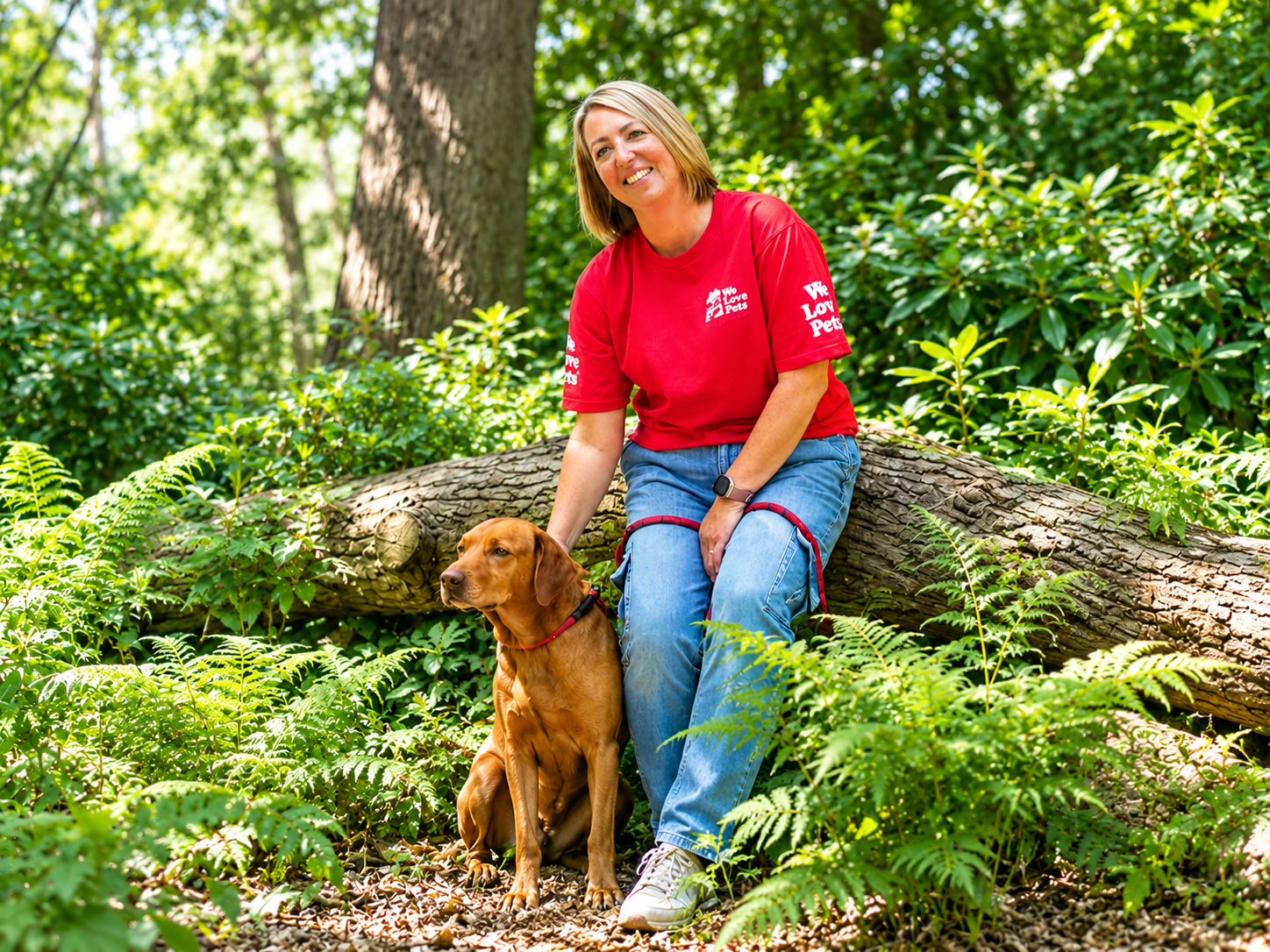

Thinking about a pet sitting business?

Book a relaxed chat with Jasmin below. We'll talk through what you're looking for, the services that would suit your area, and whether a franchise or going solo makes more sense for you.