How to Leave Your Corporate Job to Work With Animals
Thinking of leaving your office job to work with animals? A realistic, honest guide to changing careers, with no experience needed. Get the free info...
6 min read
Estimated read: 7 minutes
There's a particular worry that stops people in their tracks when they think about changing careers later in life. It usually sounds something like: isn't it a bit late for all that? If that thought has been nagging at you, this is worth reading before you talk yourself out of anything.
The short version is that it isn't too late, and the belief that it is does more damage than the age itself ever could. Plenty of people start something new in their forties, fifties and beyond, and a good number of them will tell you it was the best decision they made. What follows is an honest look at why a midlife career change is more sensible than it feels, what genuinely changes as you get older, and how people have gone about it without gambling everything.
The maths people do in their heads is usually gloomy and usually wrong. They picture all the years already spent in one career and assume the door has quietly closed.
It looks very different the other way round. If you're 50, you may well have fifteen or twenty working years ahead of you, which is longer than most people stay in any single job. The real question isn't whether you've got time, but how you want to spend the time you've got.
And the years behind you aren't wasted, either. You're not starting from nothing. You're starting from experience, which is a very different thing.
Younger people have energy and time on their side. What they don't have is what you've spent decades building, and in a lot of work, especially running your own business, that second set of things matters more.
By your forties or fifties you've usually learned how to deal with people, how to stay calm when something goes wrong, and how to keep your word. You've handled money, made decisions with real consequences, and worked out who you are and what you actually want. You've probably also got a network, a reputation and a level of self-belief that no graduate scheme can hand out.
Employers and customers alike tend to trust maturity. When someone's looking for a reliable person to care for a pet they love, "been around the block a bit" is a selling point, not a drawback.
It would be no help to pretend the doubts aren't real, so here are the common ones in turn.
"I can't afford to start over." This is the big one, and it's fair. The honest answer is that a good career change later in life is planned, not reckless. It's about understanding the costs, the funding options and a realistic timeline before you commit, so you're making a considered move rather than a leap of faith. Most people are surprised by what's achievable with the right finance and a sensible plan.
"I'm too set in my ways to learn something new." People say this, then go and prove themselves wrong within a month. Learning doesn't stop at 40. If anything, you learn more efficiently now because you know how you learn. Proper training and support make far more difference than raw age ever will.
"What will people think?" Some will be surprised, and a few might not get it, but this is your life and your remaining working years, not theirs. The people who matter tend to come round quickly when they see you happier.
"What if it doesn't work out?" A fair worry, and the reason doing your homework matters. Choosing a proven model with support behind you, rather than inventing something alone, is precisely how sensible people manage that risk.
When Shirley was offered voluntary redundancy at 54, after seventeen years in financial services, plenty of people might have taken it as the cue to quietly wind down. She saw it completely differently.
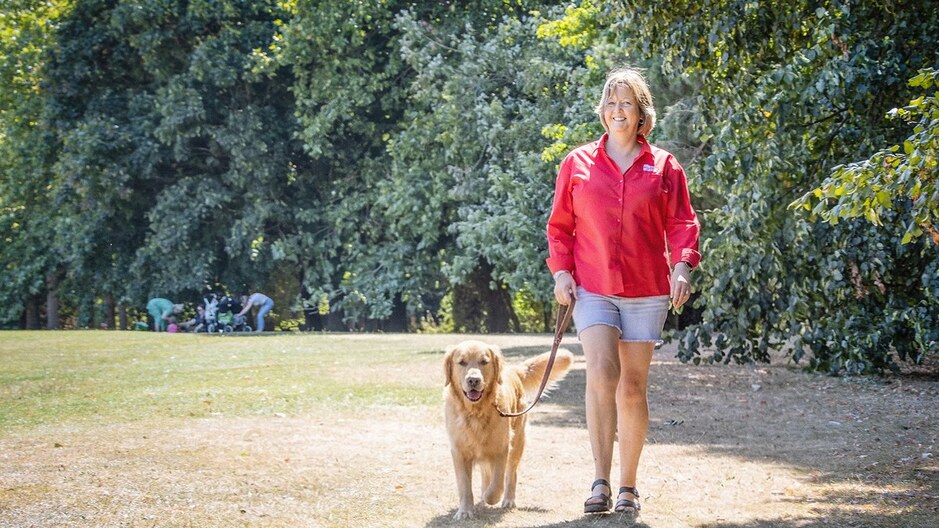
Working with animals had been a quiet dream her whole life. Her dad had been self-employed, and she'd always envied the life it gave him, but for years it felt like something she'd never get the chance to chase for herself.
She had all the practical worries you'd expect at that stage. Would she find customers? Could she promote herself, sort out the licensing, build a website, take people on? What made the difference was joining a model that already had the answers worked out, so she wasn't inventing any of it on her own.
Eight years on, she is still running We Love Pets Brentwood and doing the work she'd always wanted to do.
"I never imagined I could start a dog walking business. Now I get to live the life my dad had, content, happy, self-employed, but without the fear."
Shirley, We Love Pets Brentwood
Mark spent thirty years in pharmaceutical logistics. It was a solid career, but it had stopped exciting him, and in late 2024, at 55, he launched his own We Love Pets branch in South Cambridgeshire. He will happily tell you he isn't a natural entrepreneur, which is exactly why his story is so reassuring for anyone who worries they aren't "the business type".
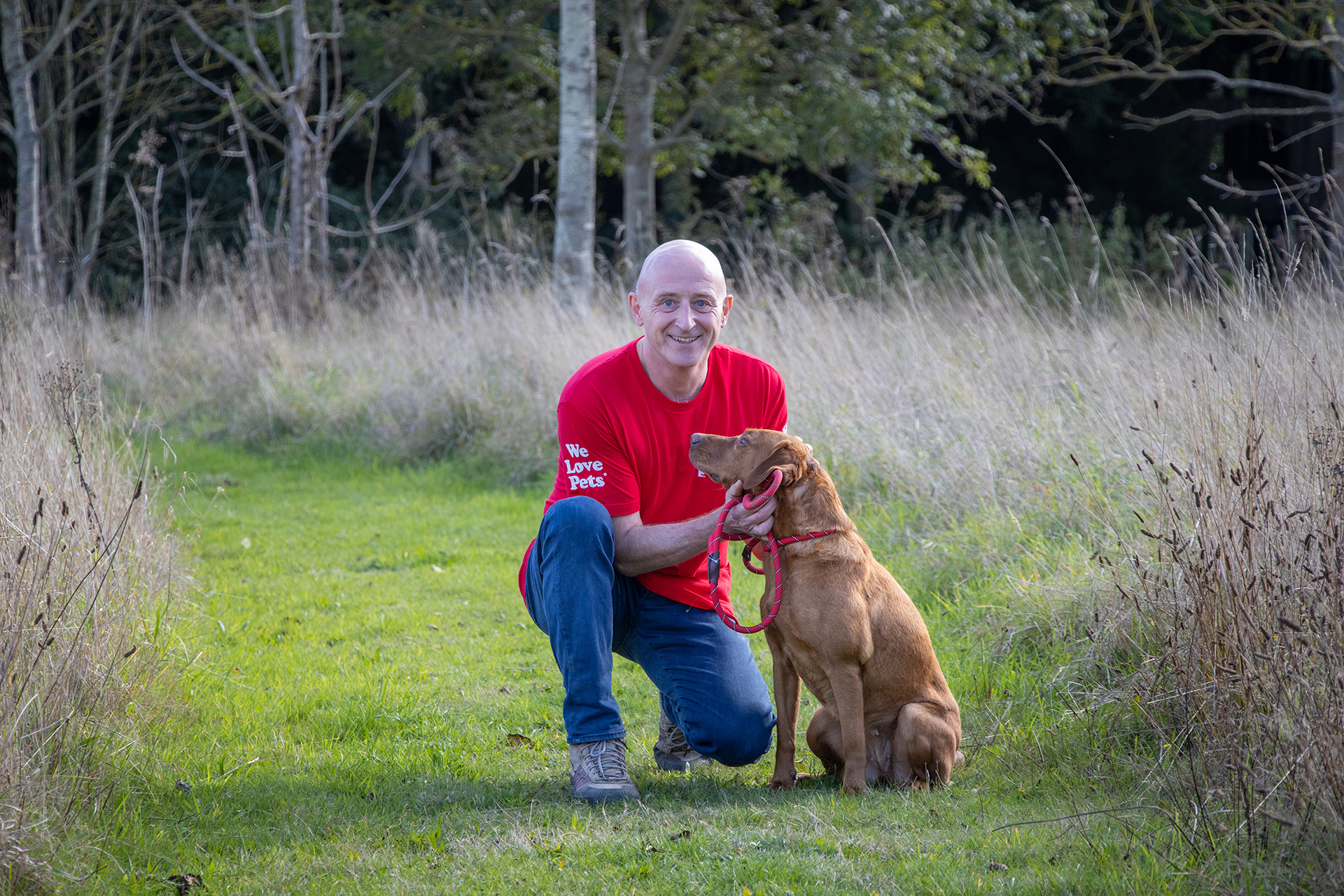
"I'm not naturally entrepreneurial, but I've learned that resilience, determination and a willingness to keep improving matter just as much."
Mark, We Love Pets South Cambridgeshire
Shirley and Mark aren't unusual. A lot of the people running We Love Pets branches came to it later in life, from careers that had nothing to do with animals, and would tell you their age helped rather than hindered. You can read more of their stories in Real Career-Change Stories: Classroom, Hospital & Office.

Not every new venture is well suited to starting over in midlife, but this one happens to be.
You don't need previous pet care experience, so you're not competing with people who trained for years, because the training covers what you need to know. You get to be outdoors and active, which is a tonic if you've spent decades at a desk. You have real control over your hours, which matters more when you've got family, ageing parents or simply a wish for a bit more balance. And you're building something that's yours, with a support network behind you rather than going it completely alone.
It's demanding, honest work with a point to it, and for a lot of people looking to make their next chapter count, that's exactly the appeal.
You don't need to do anything dramatic today. A good later-life career change tends to follow the same calm path.
Get clear on what you actually want from the next chapter, whether that's more meaning, more time, more control, or all three. Take an honest look at your finances and how long you could manage during a transition. Talk to people who've already done what you're thinking about, and ask them the awkward questions. Research any option properly, including the training and support on offer, before you commit to anything. And then make a plan with a realistic timeline, because most people move across over weeks or months, not overnight.
Done that way, a change that feels enormous becomes a series of steps you can actually take. If you'd like to see how that works in practice, How to Leave Your Corporate Job to Work With Animals goes through a realistic plan step by step.
You don't have to decide anything now. You don't have to hand in your notice or tell anyone. You just have to be curious enough to find out a little more.
Our free Franchise Information Pack sets it all out plainly: how the model works, what the investment looks like, the support you'd receive, and real stories from people who changed direction later in life and haven't looked back. No pressure and no hard sell, just the honest information you need to decide whether it might be for you.
Whatever age you are, the best time to build a life you enjoy is the time you've got left to enjoy it.
No. Most people at that age still have fifteen to twenty-plus working years ahead of them, along with experience, judgement and people skills that count for a great deal, especially when running their own business.
Yes. For a pet care business you don't need previous experience, as proper training covers what you need. The transferable skills built over a long career often matter more than sector-specific knowledge.
By planning rather than leaping. Understand the costs and funding options, keep a realistic timeline, and choose a proven model with support behind you rather than starting something alone. Our Investment & Funding page and the free Information Pack set out the full picture.
Reliable, caring and organised people who love animals and want their next chapter to mean something. Life experience tends to be an advantage here, not an obstacle.
The free Franchise Information Pack is the simplest, no-pressure way to explore whether this suits you, and you can book a relaxed chat whenever you're ready to talk it through.
Thinking of leaving your office job to work with animals? A realistic, honest guide to changing careers, with no experience needed. Get the free info...
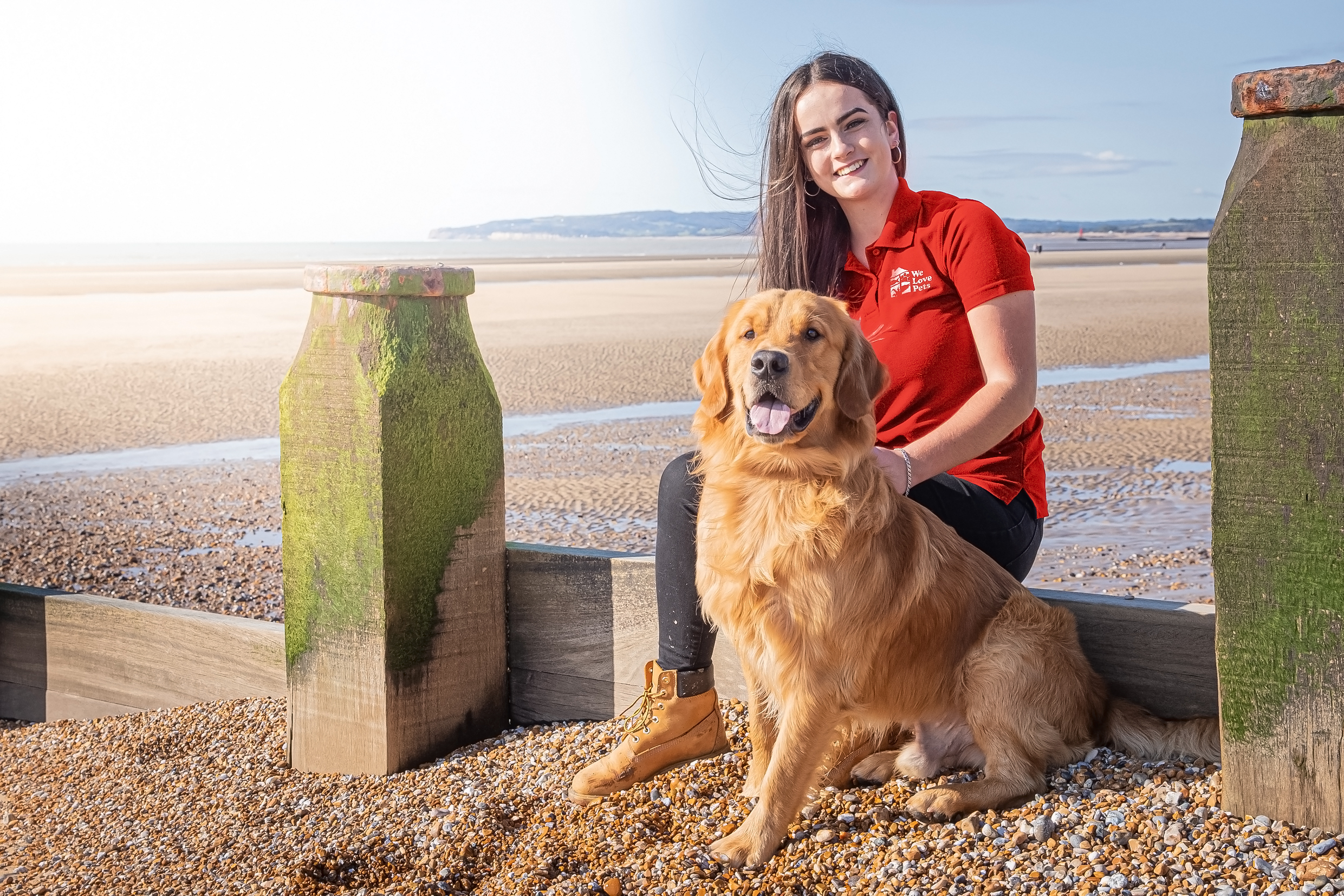
See what your commute really costs in hours and money, and how people swapped it for a pet care business close to home. Free info pack, no pressure.
.png)
Dreading Mondays and daydreaming of something different? 9 honest signs it's time to leave the 9-5, and a realistic idea for what to do instead.
 Chat with us