Why Franchise with We Love Pets? 6 Reasons People Choose Us
Thinking about a pet care franchise in the UK? Six honest reasons people choose We Love Pets, from animal welfare standards to the support you get.
5 min read

Estimated read: 8 minutes
If you've decided you want to build a business around your love of animals, there's a fork in the road you'll reach fairly quickly. Do you start something entirely of your own, from a blank sheet? Or do you join an established franchise and run your own branch of a proven brand?
Both can work. Both have made people very happy. But they suit different people, and anyone who tells you one is simply "better" than the other is usually selling something.
We run a franchise, so we won't pretend to be neutral. What we can be is honest, because pushing someone into the wrong choice helps no one. Here's a fair look at both routes, including the parts that don't flatter us.
Starting your own pet business means doing everything yourself. You choose the name, design the brand, build the website, set the prices, sort the insurance and licensing, find every customer, and work out the systems as you go. It's completely yours, for better and for worse.
Buying a franchise means running your own business using someone else's proven model. You get the brand, the training, the systems, the marketing support and a network of people who've done it before. You're still the boss of your branch, but you're not starting from scratch, and you pay for that head start.
Neither is a job. Both mean being self-employed and taking real responsibility. The difference is how much you build alone, and how much is already built for you.
| Starting on your own | Joining a franchise | |
|---|---|---|
| Upfront cost | Usually lower to get going | Higher, there's an initial investment to join |
| Ongoing costs | Just your own running costs | Running costs plus ongoing franchise/management fees |
| Freedom | Total, every decision is yours | High, but within a proven framework and brand guidelines |
| Brand & trust | You build recognition from zero | You start with an established, trusted name |
| Getting customers | All down to you, from day one | Supported by national marketing and brand awareness |
| Training & know-how | You learn by trial and error | Structured training, no experience needed |
| Systems & admin | You build or buy your own | Provided, booking, invoicing, tech, processes |
| Support when it's hard | You're on your own | Head office and a community of franchisees behind you |
| Speed to launch | Can be slower, you build everything | Often faster, the model is ready to run |
| Risk profile | Higher, more unknowns, no safety net | Lower, a tested model, though never risk-free |
Read that table honestly and you'll see the independent route genuinely wins on two things: it's usually cheaper to start, and you keep total freedom. Those matter, and for some people they're decisive.
Starting your own thing is the right call for some people, and we'd rather say so.
If you have a very specific vision that doesn't fit any existing brand, building your own lets you follow it exactly. If money is extremely tight and you can't fund an initial investment, the lower entry cost of doing it yourself may simply be more realistic. And if you're the kind of person who genuinely relishes working everything out alone, who has the time, the temperament and ideally some business experience already, you may find the total control worth the extra graft.
The trade-off is that you carry all of it. Every mistake is yours to make and yours to fix, usually while also trying to find your next customer. Plenty of people manage it. Plenty also underestimate how much there is to learn when there's no one to ask.
For a lot of people, especially those changing careers from something completely different, a franchise removes the two biggest reasons good businesses fail early: not knowing what you're doing, and having no one to turn to when it gets hard.
You don't need pet care experience, because the training covers it. You don't need to build a brand, because you're joining one people already trust. You don't have to invent the systems, the pricing or the marketing, because they're handed to you and refined over years. And when something goes wrong, and it will, you're not staring at it alone at midnight. You have head office and a whole community who've faced the same thing.
That's the real meaning of the phrase you'll hear us use: you're in business for yourself, but never by yourself.
Bryan, who runs the We Love Pets branch in Livingston after years managing a Lidl store, put the appeal simply.
"Starting alone can feel overwhelming. Making the leap into franchising was one of the biggest decisions I've ever made, but it's also been one of the best."
Bryan, We Love Pets Livingston
The honest trade-off runs the other way here. You pay an initial investment and ongoing fees, and you work within a proven framework rather than reinventing everything. For the right person, that's a price well worth paying for a shortcut through the hardest part. For someone set on total independence, it may not be.

Strip it back and it comes down to a few honest questions.
How much do you value total control versus a proven path? How comfortable are you working things out entirely alone? How much time and money can you realistically put in up front? And how much does it matter to you to have support and a safety net when things get difficult?
If you lean towards total freedom, have some business experience already, and would rather build every part yourself, going it alone may suit you. If you'd rather run your own business with the odds tilted in your favour, learn from people who've done it, and never feel like you're facing it alone, a franchise is likely the better fit.
There's no universally right answer. There's only the right answer for you. If you're leaning towards a franchise, How to Choose the Right Pet Care Franchise sets out the questions worth asking any franchisor before you commit.
If the franchise route sounds like it might suit you, the best next move is simply to get the full picture, with no pressure to do anything about it.
Our free Franchise Information Pack lays it all out plainly: exactly what the investment covers, what the ongoing fees are, what support you get in return, and real stories from people who weighed up this very decision and chose We Love Pets. No hard sell, just the honest detail you need to compare properly.
Whichever route you're leaning towards, make the choice with your eyes open. It's too important to guess.
Usually, yes, at least to get going. Starting alone typically has a lower upfront cost, while a franchise involves an initial investment and ongoing fees. The fairer question is what you get for that investment: training, a trusted brand, systems and support that can save you costly early mistakes.
You get more total control starting alone, since every decision is yours. A franchise gives you a lot of freedom too, but within a proven framework and brand guidelines. It's a trade between complete independence and a tested path.
Generally, yes, though no business is risk-free. A franchise gives you a model that's already been proven to work, plus training and support, which removes many of the unknowns that trip up brand-new independent businesses. You still have to put in the work.
For a We Love Pets franchise, no, full training is provided. Starting entirely on your own with no experience is possible but much harder, as you're learning the animal care, the business and the marketing all at once, alone.
Our Investment & Funding page and the free Franchise Information Pack give a clear breakdown of the investment, the ongoing fees and what's included, or you can book a relaxed chat to talk it through.
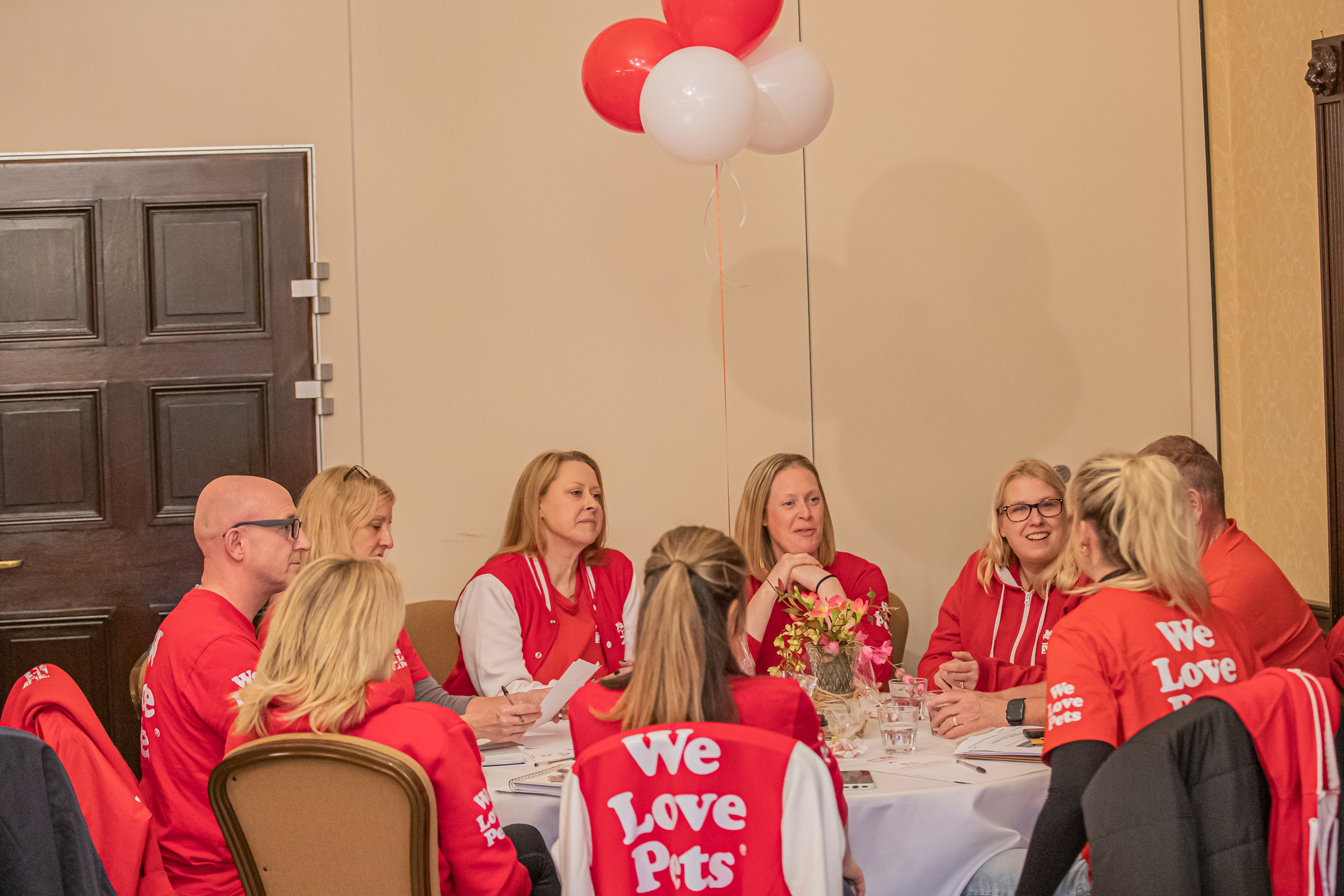
Thinking about a pet care franchise in the UK? Six honest reasons people choose We Love Pets, from animal welfare standards to the support you get.
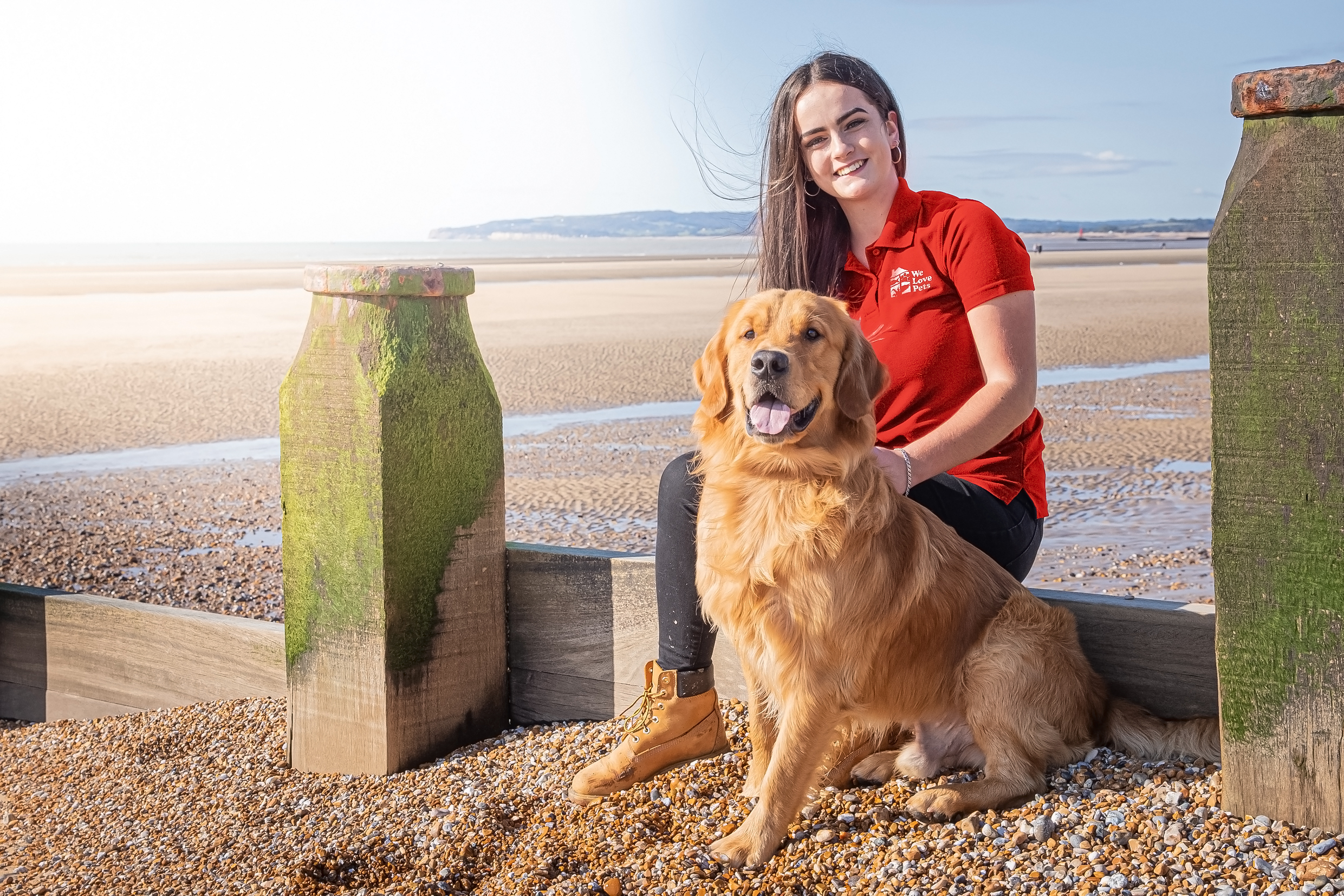
Choosing a pet care franchise in the UK? Eight questions to ask any franchisor, what it really costs, and the signs of a franchise worth joining.
See what your commute really costs in hours and money, and how people swapped it for a pet care business close to home. Free info pack, no pressure.
 Chat with us