Career Change at 40, 50 or Beyond? Read This First
Thinking about a career change at 40, 50 or beyond? An honest, reassuring guide to changing direction later in life, with no experience needed.
6 min read
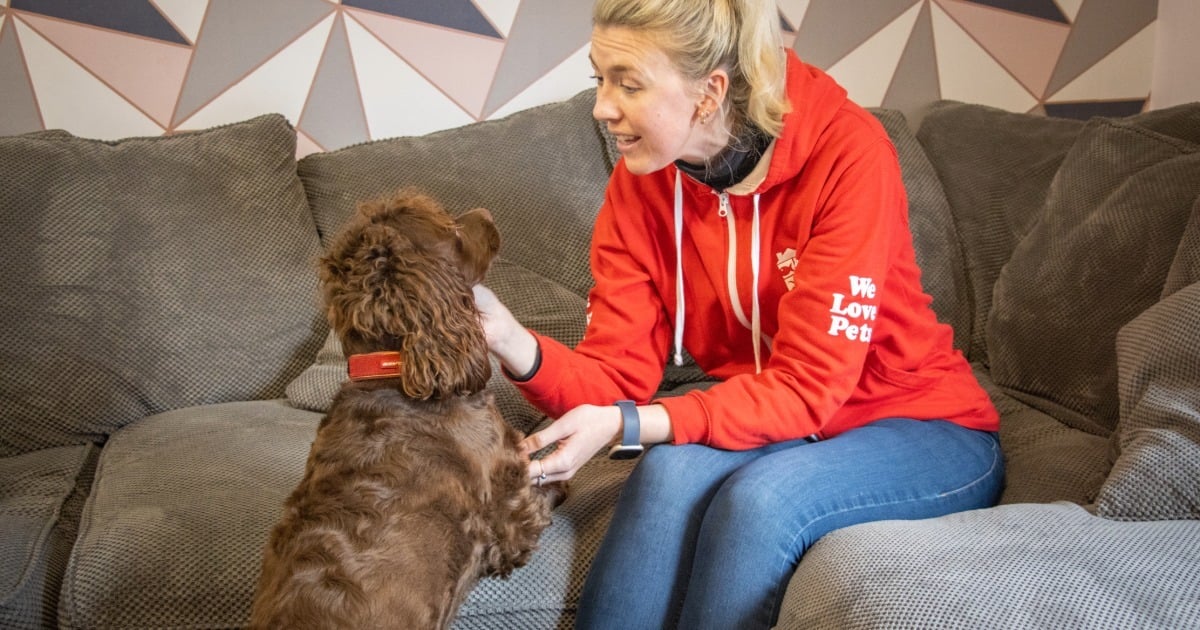
Estimated read: 7 minutes
Most people don't decide to leave their office job in one dramatic moment. It builds slowly. A Sunday evening that feels heavier than it should. Another restructure. Another year where the salary went up but the satisfaction didn't. And somewhere in the background, a thought that keeps coming back: that you'd rather be spending your days with animals than in another meeting.
If that sounds familiar, this guide is for you.
We're not going to tell you it's easy, or that you can hand in your notice on Friday and be walking spaniels by Monday. That wouldn't be true, and being straight with people matters to us. What we can tell you is that changing careers to work with animals is a good deal more achievable than most people assume, and plenty of people from ordinary office jobs have already done it. Here's how it actually works.
If you've been feeling this way, you're in reasonable company. A lot of people in professional roles reach the same conclusion after a decade or two: the pay is fine, the pension is fine, but "fine" isn't really what they signed up for.
The reasons people give tend to be fairly consistent. They want work that feels useful at the end of the day. They're tired of being indoors and want to be outside and active for a change. They'd like more say over their own time, whether that's the school run or simply not spending two hours a day on a train. And often there's a wish to build something of their own, rather than making someone else's numbers look good.
None of that is a mid-life crisis. It's a sensible response to spending your best hours on work that stopped feeling like it mattered.
When people imagine working with animals, they often picture becoming a vet, then rule it out because of the years of study and the cost. But that's only one route, and it's easily the hardest. There are three realistic options worth understanding.
The first is getting a job in the industry, such as dog walking, pet sitting, or working at a kennels or a vet's practice. It's the quickest way in and a good way to find out whether the work suits you. The catch is that you're on someone else's rota and someone else's wage.
The second is starting your own pet business from scratch. You get full independence, but you also take on a steep learning curve on your own. Branding, insurance, pricing, finding clients, chasing late payers, the marketing, all of it lands on you. Some people relish that. Many underestimate how much there is to work out alone.
The third is running a pet care franchise. This is the middle path, and it's the one that tends to surprise former professionals. You run your own business and keep the rewards, but you do it with a tested model, proper training and a support network behind you. You're your own boss, without having to invent everything from a blank sheet of paper.
Which one is right depends on you. But if you like the idea of working for yourself without going it entirely alone, the third option is worth a proper look.
This is the thing that stops most people, and it's largely a myth.
You don't need previous pet care experience to build a successful business working with animals. What counts for a lot more is a genuine love of animals, being reliable and caring, and being willing to learn how things are done properly.
A good number of the people now running We Love Pets branches came from office careers with no pet care background whatsoever. Former bankers, teachers, NHS staff, retail managers, people who'd never walked a dog for money in their lives. What they brought instead were the skills a career gives you: organisation, communication, reliability, and the discipline to finish what you start. Those matter enormously when the business is yours.
The animal knowledge can be taught. A solid work ethic can't. You've already got the harder half.
We'd rather give you the real picture than a rose-tinted one.
Working with animals isn't one long cuddle! There are early starts and walking in the rain. There's the genuine responsibility of looking after pets that families love dearly. Building any business takes graft, and this is no different.
What the people who've done it will tell you, though, is that the hard parts feel different when the work means something. Rain on a dog walk isn't the same as rain on the platform at your local train station. Being run off your feet for your own business isn't the same as being run off your feet for someone else's. And there's a particular satisfaction in ending the day knowing you've made a few dogs happy and made a few owners' lives easier.
Julie Turner knows that feeling better than most. Before she ran the We Love Pets branch in West Berkshire, she commuted into London to an office job that, on paper, she had no real reason to leave. The salary was good and she genuinely liked the people she worked with. But the dread had become too much to ignore.
"I used to cry on the train into London, dreading another day in the office. It wasn't the people, I liked them, and the money was good. I just couldn't bear to keep working there." - Julie Turner, We Love Pets West Berkshire
We'd sooner you went in with your eyes open. It isn't the easiest path. For the right person, it might well be the best one.

If you're serious about it, here's what a sensible transition tends to look like. You don't have to leap without a safety net.
Start by getting clear on why you want this. Whether it's more time, more meaning, or more control, writing it down honestly gives you something to hold onto when the doubts turn up, because they will.
Then get your finances straight. Look at your savings, your outgoings, and how long you could manage while you make the change. Understanding what a franchise costs and how people fund it early on takes a lot of the fear out of it, and most people are surprised by what's possible with the right finance in place.
Next, talk to people who've actually done it. Nothing beats hearing from someone who sat where you're sitting a couple of years ago. Read some real franchisee stories, and ask them the awkward questions about what caught them out.
After that, do your homework before committing to anything. There's no need to quit on Friday and start on Monday. Look properly at the model, and understand the training and support you'd get. Any franchise worth joining will welcome your questions rather than rush you past them.
Finally, put a plan together with a realistic timeline. Most people move across over a few weeks or months, not overnight. Breaking it into steps turns a daunting leap into something manageable.
We're the UK's largest full-service pet care franchise, and we've helped people from all sorts of backgrounds build a business around their love of animals.
When you join, you're not handed a logo and left to it. You get thorough initial training with no experience needed, ongoing coaching and mentoring, marketing and business development support, proven systems and technology, national brand recognition, and a genuinely supportive community of other franchisees.
We're not the cheapest option and we wouldn't pretend to be the easiest. We are one of the most established and most supportive. If you're going to make a change this big, it's worth making it with people who've helped others do exactly the same thing many times over.
You don't have to decide anything today. No handing in your notice, no telling your boss, not even telling your partner yet if you're not ready.
You just have to be curious enough to find out a bit more.
Our free Franchise Information Pack sets it all out plainly: how the model works, what the investment looks like, the support you'd receive, and real stories from people who left office careers to build a life they enjoy. No pressure and no hard sell, just the honest information you need to decide whether it could be for you.
The version of you sat in a meeting next Tuesday will be glad you did.
Can I change careers to work with animals with no experience? Yes. For most pet care businesses, a genuine love of animals and a reliable, caring nature count for far more than prior experience. Proper training covers the animal knowledge, and the organisation and people skills from an office career transfer better than you might think.
How much does it cost to start a pet care franchise? The investment varies, and there are funding options that make it more accessible than many people expect. Our Investment & Funding page and the free Information Pack set out the full picture.
Do I have to quit my job straight away? No, and we'd usually suggest you don't. Most people plan the move over a few weeks or months, doing their research and getting their finances in order first.
What kind of person does well running a pet care business? Reliable, caring and organised people who love animals and want to build something of their own. Former professionals often do well precisely because of the discipline and people skills their careers gave them.
How can I find out more without committing to anything? Download the free Franchise Information Pack. It's the simplest, no-pressure way to see whether this suits you, and if you'd like to talk it through, you can book a relaxed chat whenever you're ready.
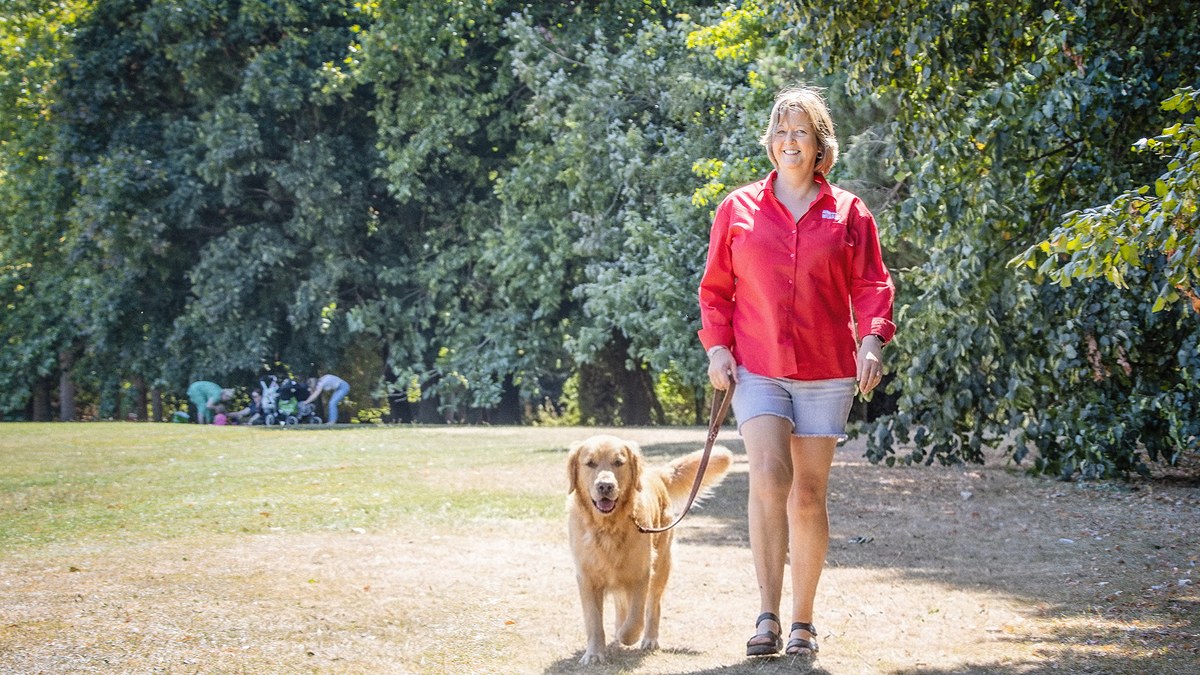
Thinking about a career change at 40, 50 or beyond? An honest, reassuring guide to changing direction later in life, with no experience needed.
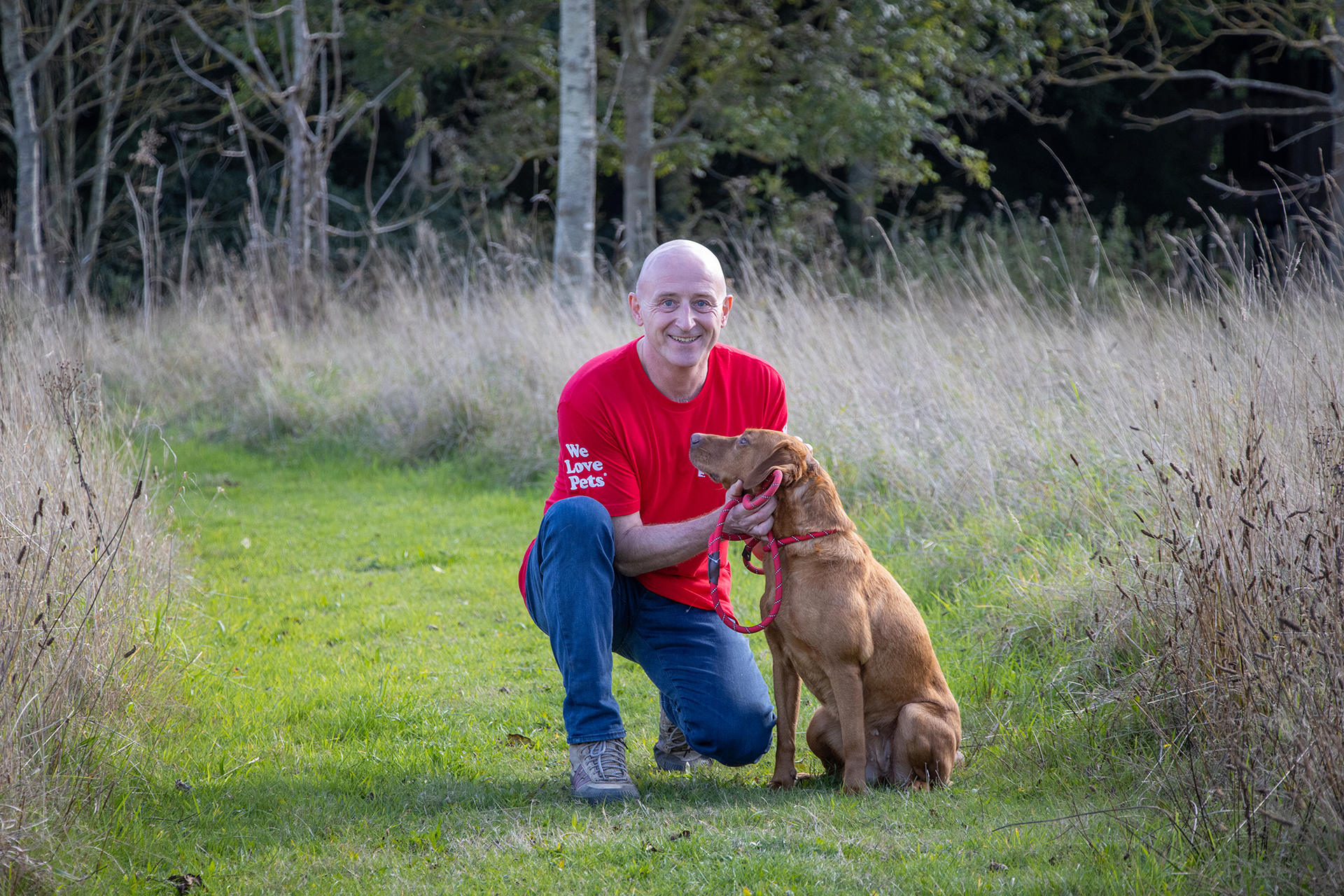
Real stories of people who left nursing, teaching, corporate and retail careers to work with animals, in their own words. Could your story be next?
Some cheap pet "franchises" are really licences, memberships or courses with a logo. How to tell the difference, and what a proper franchise fee...
 Chat with us